

Introduction
Every moment, unseen hands are at work moving goods, organizing resources, and orchestrating outcomes—this is the world of logistics. Far beyond shipping labels or delivery trucks, logistics is an evolving discipline at the heart of global commerce and daily convenience. In our era of instant expectations and intricate supply networks, logistics is no longer merely an operational function, but a cornerstone of progress, agility, and sustainable value.
Rethinking Logistics: The Backbone of Modernity
At its essence, logistics is the art and science of managing the flow of goods, data, and services, optimizing their path from origin to ultimate destination. It unites strategy and adaptability, ensuring necessities and innovations are accessible whenever and wherever the world demands.
Foundational Elements
-
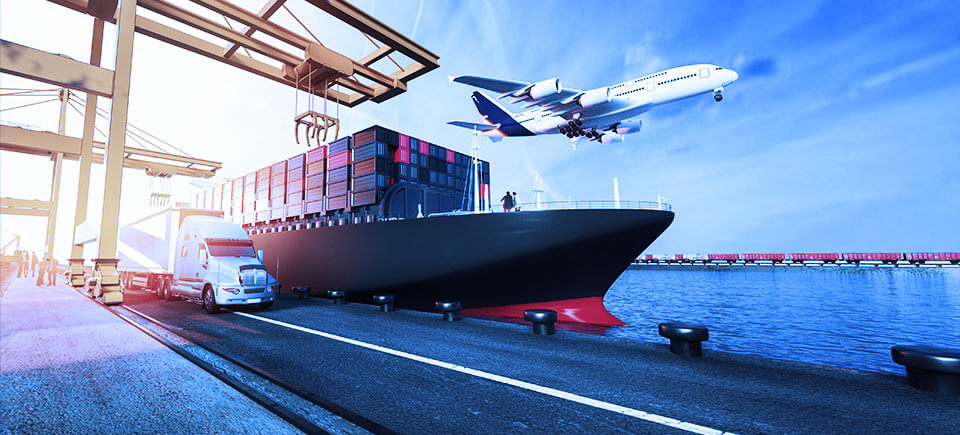
Integrated Transportation Networks: Coordination across road, rail, sea, and air, continually optimizing for speed, cost, and ecological impact.
-
Advanced Warehousing: Modern operations use robotics, smart storage, and real-time inventory systems to empower efficiency and flexibility.
-
Order Fulfillment Excellence: Bridging digital transactions and physical outcomes, seamless fulfillment ensures reliability from online checkout to doorstep.
-
Transparent Data Streams: Instant tracking and predictive analytics underpin proactive responses, reducing delays and enhancing trust.
Tracing the Arc: Logistics Through the Ages
The tale of logistics is as old as civilization, each leap in practice mirroring society’s development.
-
Origins in Antiquity: From supply lines in ancient empires to the Silk Road caravans, logistics defined the reach and resilience of civilizations.
-
Industrial Innovation: Steam engines, standardized containers, and early telecommunication revolutionized both scale and speed.
-
Information Revolution: Computers, barcodes, and global positioning systems brought precision and real-time control to complex supply chains.
-
New Millennium Dynamics: Automation, artificial intelligence, and the Internet of Things (IoT) now enable self-regulating, intelligent logistics that anticipate need and seamlessly adapt to change.
The Digital Transformation: From Reactive to Predictive
Technology has unleashed a renaissance in logistics, driving both agility and precision to levels once unimaginable.
Digital Enablers
-
Automation and Robotics: Warehouses now buzz with machines that swiftly sort, pick, and pack, freeing human minds for strategy and innovation.
-
IoT and Smart Assets: Pallets and trucks are equipped with sensors that monitor location, condition, and status, fostering transparency.
-
AI-Driven Efficiency: Machine learning optimizes delivery routes, forecasts demand spikes, and automates adaptive inventory.
-
Blockchain Technologies: Immutable digital ledgers guarantee authenticity, streamline customs, and facilitate secure transactions across continents.
-
Self-Driving and Electric Vehicles: The rise of driverless fleets and electric-powered delivery reshape last-mile logistics, shrinking urban footprints and enabling round-the-clock efficiency.
Sustainability: The New Benchmark
Logistics stands at the crossroads of commerce and conscience. The modern challenge is to move goods with purpose—advancing economic goals while reducing environmental harm.
Key Sustainability Initiatives
-
Green Transport Fleets: Fleet electrification, alternative fuels, and optimized loading minimize emissions and cost.
-
Circular Logistics: Reverse flows—returns, remanufacturing, recycling—convert waste into value and reinforce the circular economy.
-
Eco-Warehousing: Solar panels, efficient construction, and smart lighting convert storage from energy sinks to sustainability showcases.
-
Ethical Sourcing and Fair Labor: Supply chains are increasingly held to high standards of social responsibility and worker well-being, forging reputational and real-world resilience.
The Human Link: People At the Pulse
Technology alone cannot resolve every disruption or unlock every opportunity. The adaptability, judgment, and grit of logistics professionals remain central:
-
Strategic Collaboration: Partnerships across shippers, carriers, suppliers, and regulators build lasting resilience and problem-solving capacity.
-
Lifelong Learning: As automation expands, upskilling is essential. Emerging talent must blend digital fluency with operational wisdom.
-
Cultural Awareness: In a globally connected landscape, respect for cross-border norms, languages, and time zones is as valuable as technical acumen.
Challenges and Modern Opportunities
Despite its sophistication, logistics consistently grapples with volatility and opportunity.
Navigating Uncertainty
-
Geopolitical Risks: Trade disputes, tariffs, and political shifts force adaptive realignment of supply corridors.
-
Labor Constraints: Driver shortages and specialized skill gaps spur investment in automation, training, and workforce retention.
-
Capacity and Congestion: Port delays, bottlenecks, and surges in demand require proactive planning, flexible contracts, and robust scenario analysis.
-
Cybersecurity: Increasingly digital systems must be shielded against intrusion, fraud, and system-wide breakdowns.
Logistics as Competitive Advantage
Exceptional logistics is a mark of distinction—transforming brands, fueling growth, and delighting consumers.
Distinctive Outcomes
-
Market Agility: Fast and reliable logistics ignite product launches and adapt to changing trends with the speed of opportunity.
-
Customer Centricity: Real-time tracking, flexible delivery options, and transparent communication set brands apart in crowded markets.
-
Innovation Platform: Progressive logistics supports experimentation and quick scaling, opening new markets and enabling varied business models.
-
Sustainable Reputation: Green logistics and transparent sourcing attract purpose-driven clientele and foster lasting loyalty.
Looking Forward: The Horizon of Logistics
Logistics is no longer invisible—it is the conductor orchestrating the world’s everyday miracles. The future points toward:
-
Hyperconnected Supply Chains: Every asset and link communicating in real-time, enabling autonomous, self-correcting networks.
-
Personalized and Predictive Fulfillment: Inventory, packaging, and delivery curves tailored to individual customer needs and sustainability profiles.
-
Resilient Ecosystems: Organizations that embrace flexibility, foresight, and cross-disciplinary partnership will thrive amid volatility.
Conclusion
True logistics is not the art of mere movement, but the quiet mastery of anticipation, synchronization, and renewal. It is a living blueprint—shaping economies, stewarding resources, and transforming humble transactions into threads of prosperity and progress. For those with the vision to see beneath the surface, logistics emerges not as a background actor, but as the enduring pulse of a world in motion.

Comments are closed.