

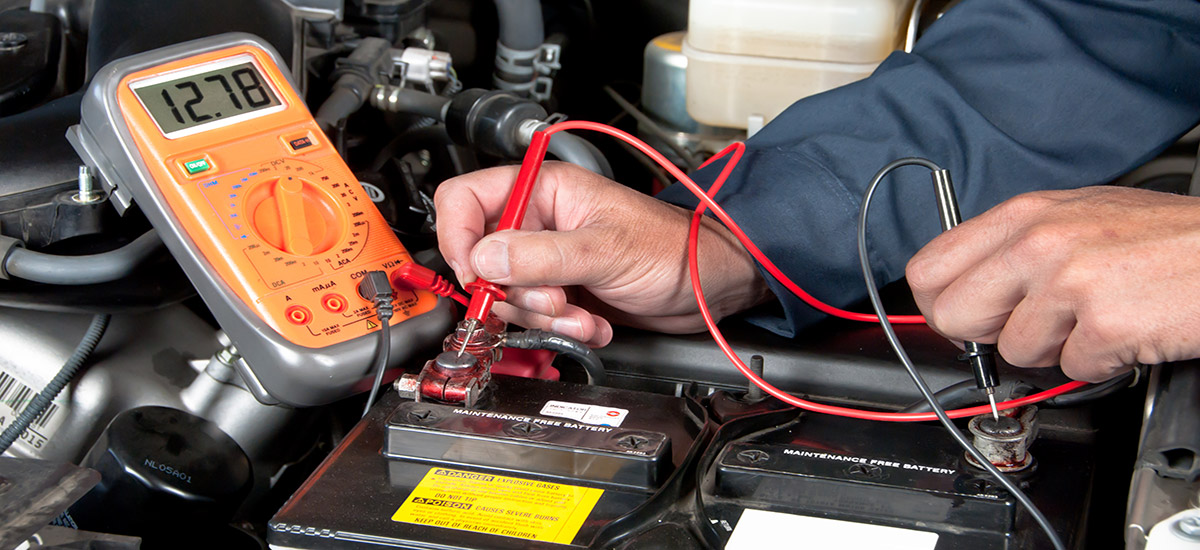
Modern cars rely heavily on electricity. From starting the engine to running safety systems and infotainment, the electrical system is the nervous system of your vehicle. When something goes wrong, it can feel complicated and intimidating. This guide breaks electrical car repairs down into clear, practical, real-world explanations so you understand what’s happening and what usually needs fixing.
Understanding the Car Electrical System
At its core, a car’s electrical system does three main jobs:
-
Generate power
-
Store power
-
Distribute power to components
These tasks are handled by a few key parts working together. If one fails, symptoms often show up in multiple areas of the car.
Key Electrical Components and What They Do
Battery – The Power Source
The battery supplies electricity to start the engine and powers systems when the engine is off.
Common battery problems
-
Slow or no engine crank
-
Dim headlights
-
Clicking sound when starting
Typical repair
-
Battery testing and replacement
-
Cleaning corroded terminals
-
Securing loose battery connections
Alternator – The Power Generator
Once the engine is running, the alternator generates electricity and recharges the battery.
Signs of alternator trouble
-
Battery warning light on dashboard
-
Electrical features cutting in and out
-
Battery draining quickly
Typical repair
-
Alternator replacement
-
Belt inspection or replacement
Starter Motor – Getting the Engine Moving
The starter motor uses battery power to turn the engine over during startup.
Symptoms of starter issues
-
Single click but engine doesn’t turn
-
Grinding noise
-
Engine starts only after several tries
Typical repair
-
Starter motor replacement
-
Solenoid repair
Wiring, Fuses, and Relays Explained
Wiring – The Electrical Highways
Wires carry power and signals throughout the vehicle. Over time, wiring can be damaged by heat, moisture, rodents, or vibration.
Common wiring issues
-
Blown fuses
-
Intermittent electrical failures
-
Burning smells or melted insulation
Typical repair
-
Wire repair or replacement
-
Insulation restoration
-
Securing loose harnesses
Fuses – The Safety Guards
Fuses protect electrical circuits by breaking when too much current flows.
When a fuse blows
-
A specific feature stops working (radio, windows, lights)
-
Problem is usually isolated
Typical repair
-
Replacing blown fuse
-
Investigating why it blew (short circuit or overload)
Relays – The Power Switches
Relays act like remote-controlled switches that allow low-power signals to control high-power components.
Signs of relay failure
-
Component works intermittently
-
Clicking sounds with no response
-
No power reaching a system
Typical repair
-
Relay replacement (usually inexpensive)
Common Electrical Problems Drivers Experience
Dashboard Warning Lights
Electrical sensors trigger warning lights when voltage or communication issues occur.
Fix usually involves
-
Diagnostic scan
-
Sensor testing
-
Electrical connection repair
Power Windows and Locks Not Working
Often caused by:
-
Faulty switches
-
Broken wiring in door panels
-
Blown fuses
Lighting Issues
Flickering or dead lights often point to:
-
Bad bulbs
-
Ground connection problems
-
Failing alternator
How Mechanics Diagnose Electrical Problems
Electrical issues aren’t guessed—they’re tested.
Common diagnostic tools
-
Multimeter for voltage and resistance
-
Diagnostic scanners
-
Test lights
Diagnosis steps
-
Confirm the symptom
-
Test power and ground
-
Trace wiring and components
-
Repair only the faulty part
This approach prevents unnecessary part replacements and saves money.
Can You Fix Electrical Problems Yourself?
Some electrical repairs are beginner-friendly, while others require professional tools.
DIY-friendly tasks
-
Replacing batteries
-
Changing fuses
-
Installing bulbs
-
Cleaning battery terminals
Leave to professionals
-
Wiring repairs deep in dashboards
-
Computer and module issues
-
Persistent battery drain problems
Preventing Electrical System Failures
Simple habits reduce the risk of electrical breakdowns:
-
Keep battery terminals clean
-
Replace weak batteries early
-
Address warning lights promptly
-
Avoid aftermarket wiring shortcuts
A little maintenance goes a long way in preventing costly repairs.
Frequently Asked Questions
1. Why does my car lose electrical power while driving?
This usually points to a failing alternator, loose battery connection, or damaged wiring that interrupts power flow.
2. Can a bad battery damage other electrical components?
Yes. A weak or failing battery can cause voltage spikes that stress alternators, sensors, and control modules.
3. How long do car batteries typically last?
Most car batteries last 3 to 5 years, depending on climate, driving habits, and maintenance.
4. What causes repeated blown fuses?
Repeated fuse failures usually indicate a short circuit, overloaded circuit, or faulty component drawing too much current.
5. Is it safe to drive with electrical problems?
Minor issues like a failed radio may be safe, but problems affecting lights, steering, or engine control should be fixed immediately.
6. How do I know if my alternator or battery is bad?
A diagnostic test can confirm it, but common clues include warning lights, dimming lights, and difficulty starting.
7. Are electrical repairs expensive?
Costs vary. Simple fixes like fuses or relays are inexpensive, while wiring or control module repairs can be more costly due to labor.

Comments are closed.