

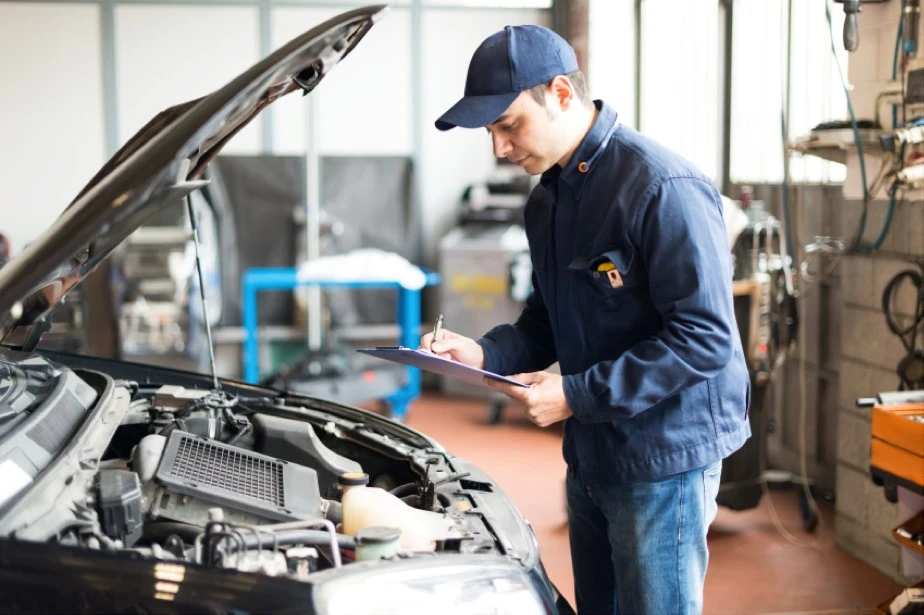
Introduction
Gone are the days when car repairs were an anxious afterthought, triggered only by breakdown or necessity. Today, the art of car repair is a narrative of quiet renaissance—an intersection of technological craft, preventive wisdom, and unwavering dedication to safety and satisfaction. Instead of being mere responses to malfunction, modern car repairs embody a philosophy: restoring peace of mind, extending value, and reinforcing the partnership between driver and machine.
Rethinking Car Repairs: Philosophy and Purpose
No automobile, no matter its pedigree, is immune to the passage of time or the unpredictability of the road. Yet, car repairs are no longer just remedies—they are signatures of stewardship, guided by principles that place longevity, transparency, and dignity at the forefront.
The New Ethos of Car Repairs
-
Proactive Care over Reactive Fixes: Routine checkups, digital diagnostics, and thoughtful attention prevent crises rather than simply resolve them.
-
Communication and Trust: Transparent explanations build confidence, turning confusion into clarity.
-
Prioritizing Precision: The best technicians value accuracy—perfection in fit, finish, and process ensures that every repair is lasting and harmonious with the broader system.
The Anatomy of a Modern Repair Journey
Every worthy car repair is a sequence of expertise and care, beginning long before the first wrench turns.
Meticulous Diagnosis
-
Symptom Gathering: Every repair starts with attentive listening—to both the vehicle and its owner. Subtle noises, dashboard alerts, or shifts in handling serve as essential clues.
-
Digital Investigations: Modern cars speak a coded language through their onboard computers; advanced diagnostics decipher error codes and data streams, pointing directly to the root cause.
-
Comprehensive Inspection: Visual and tactile checks, combined with a professional’s intuition, reveal wear, leaks, and impending trouble spots.
Collaborative Consultation
-
Clear Prioritization: Repairs are categorized into urgent needs, preventive opportunities, and enhancements—empowering owners to make informed decisions.
-
Options with Integrity: The merits of OEM parts, reputable aftermarket alternatives, or remanufactured components are weighed, with full disclosure of cost, quality, and warranty implications.
Precision Execution
-
Adhering to Standards: Each step follows manufacturer recommendations and best industry practices.
-
Attention to Systemic Impact: Technicians consider the interplay between systems—careful not to introduce new issues while resolving the original concern.
-
Documentation: Every action, adjustment, and replacement is recorded, providing a transparent service history and aiding future troubleshooting.
Quality Assurance and Return to the Road
-
Rigorous Testing: Repairs conclude with both diagnostic scans and real-world road tests, ensuring not just functionality, but confidence.
-
Clear Communication: Customers receive detailed briefings on what was done, why it mattered, and what steps might be needed going forward.
Vital Realms of Car Repair
Certain domains require special vigilance and skill—each crucial for driver safety, comfort, and peace of mind.
The Engine and Powertrain
-
Engine repairs might involve timing components, sensors, gaskets, and software recalibration.
-
Preventive focus includes oil, coolant, and belt management to preclude catastrophic failure.
Brakes and Safety Systems
-
Replacement of worn pads, rotors, or brake fluid is routine but vital.
-
Modern vehicles may require recalibration of ABS, traction control, or stability management systems after work is performed.
Suspension and Steering
-
Components such as shocks, control arms, and bushings are addressed to remedy ride quality or alignment issues.
-
Neglecting steering noise or vibration is to invite greater risk and cost later.
Electrical and Infotainment
-
Batteries, alternators, lighting, sensors, and advanced driver aids are increasingly interconnected, demanding electronic training and equipment.
-
Software bugs are often resolved by updates rather than physical replacements.
Climate and Comfort Features
-
Repairs may include AC compressors, heater cores, and blower motors—all essential for comfort and clear visibility.
Table: Choosing the Right Replacement Part
| Category | Benefits | Drawbacks | Best For |
|---|---|---|---|
| OEM (Genuine) | Exact fit, long warranty | Higher cost | Safety-critical systems, newer cars |
| Aftermarket | Variety, competitive pricing | Variable quality | Non-essential and custom upgrades |
| Remanufactured | Eco-friendly, affordable | Limited to certain systems | Major assemblies, green-minded owners |
Embracing Technology: The Digital Shift in Repairs
Today’s vehicle diagnostics and repairs blend mechanics and microchips.
-
Advanced Scanning Tools: Modern shops use high-end scanners to spot issues invisible to the naked eye.
-
Predictive Maintenance: Vehicles now alert owners to maintenance needs—catching potential problems before they surface.
-
Software Updates: Sometimes, a fix is as simple as a firmware refresh, restoring functionality without a single part replaced.
-
Electric and Hybrid Repairs: These require highly specialized knowledge—managing high voltage components, intricate cooling, and bespoke systems safely.
Preventive Maintenance: A Culture of Care
Far better than cure is the habit of prevention.
-
Routine Oil and Fluid Changes: The foundation of engine longevity and smooth operation.
-
Brake and Tire Inspections: Vital for safety; wear is gradual and easy to miss until too late.
-
Battery Health Checks: Avoid surprise failures, especially in summer or winter extremes.
-
Clear Maintenance Records: Not just for warranty, but for efficient future repairs and resale value protection.
The Human Side of Service: Partnership, Not Just Provision
Outstanding car repair hinges as much on trust and rapport as on technical skill.
-
Listening Matters: Well-run shops welcome questions, listen without dismissal, and address the owner’s concerns.
-
Transparency Over Tactics: Honest pricing, upfront timelines, and forthright warranty terms foster comfort and loyalty.
-
Education Empowers: Good technicians teach owners about their vehicles—ensuring drivers leave safer and more informed.
Sustainability: Repairs for a Greener Tomorrow
-
Extend, Don’t Discard: Repairs prevent unnecessary waste, extending the useful life of vehicles and major assemblies.
-
Remanufactured Parts: Using components restored to original performance reduces manufacturing impact and conserves resources.
-
Responsible Disposal: Ethical shops recycle old batteries, filters, fluids, and even metals—shrinking their environmental footprint.
Conclusion
Car repairs are far more than mechanical obligations—they are acts of restoration, confidence, and quiet artistry. In this new renaissance, repair stands as both shield and bridge: preserving value, protecting safety, and strengthening the relationship between people, technology, and the open road. By embracing precision, partnership, and prevention, every repair becomes more than a fix—it becomes a promise that the journey ahead will always be as rewarding as the destination.

Comments are closed.