

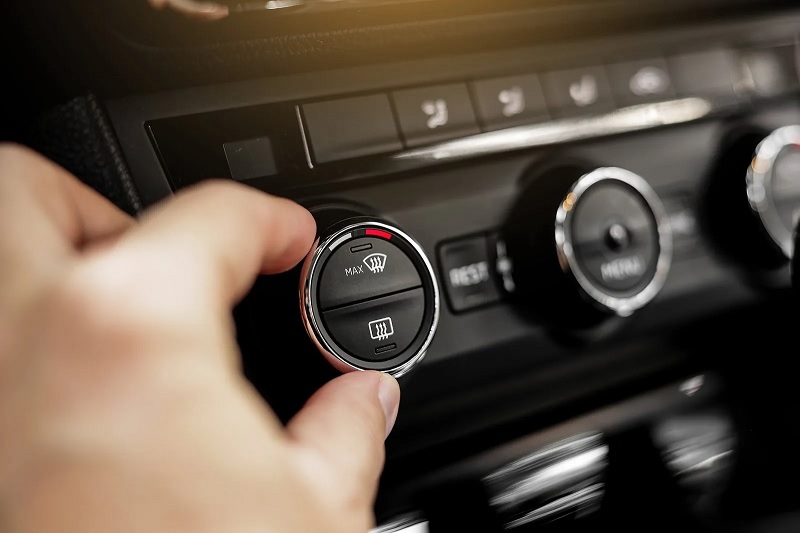
For decades, the standard automotive air conditioning system operated as a blunt instrument. Drivers were forced into an endless, distracting loop of manual adjustments, constantly toggling dials between freezing blasts of air and suffocating heat to maintain a baseline level of comfort. The cabin was simply a box that required constant thermodynamic micromanagement. Today, the automotive industry has entirely reimagined this experience. The interior of a modern vehicle is no longer a passive space; it is a highly responsive, dynamic environment governed by intelligent climate control systems.
These advanced thermal management networks represent a massive leap forward in automotive engineering. By integrating complex sensor arrays, advanced air purification technologies, and sophisticated software algorithms, modern climate control systems actively anticipate and respond to environmental changes before the occupants even register a shift in temperature. Understanding how these intelligent networks operate reveals why the modern daily commute has transformed from a chore into a deeply personalized, relaxing sanctuary.
The Shift from Reactive to Proactive Thermal Management
The fundamental flaw in traditional automotive heating and cooling was its purely reactive nature. If the sun suddenly broke through the clouds and heated the cabin, the driver had to physically recognize the discomfort, reach for the dashboard, and crank up the fan speed. Intelligent climate control systems flip this dynamic by operating on the principle of continuous homeostasis.
Instead of waiting for a human command, an intelligent climate network acts as the vehicle’s central nervous system for thermal regulation. You simply set your desired temperature once—much like a high-end home thermostat—and the vehicle’s internal computer takes over the workload. The system continuously calculates the exact volume, velocity, and temperature of the air required to maintain your chosen setting. If the ambient temperature outside drops rapidly, the system will seamlessly dial back the air conditioning compressor and gently blend in warm air from the heater core. This transition happens so smoothly that the occupants remain entirely unaware of the mechanical adjustments taking place behind the dashboard.
Multi-Zone Personalization and Independent Microclimates
One of the greatest sources of friction during a road trip is the subjective nature of human comfort. A cabin temperature that feels perfectly crisp to the driver might leave the front passenger shivering, while the occupants in the back seat suffer from stagnant, stuffy air. Automakers have solved this perpetual conflict through the development of multi-zone climate architectures.
Modern vehicles frequently feature dual, tri, or even quad-zone climate control configurations. This technology allows the cabin to be mathematically divided into independent thermal microclimates. The engineering required to achieve this is remarkably complex. Behind the center console sits a massive, intricate HVAC assembly known as the air handler. Inside this unit, a labyrinth of electronically controlled blend doors and baffles channels air through different heating and cooling matrices simultaneously.
If the driver requests sixty-eight degrees and the passenger requests seventy-five degrees, the system isolates the airflow, delivering customized temperatures to each respective side of the vehicle without the streams aggressively mixing in the center of the cabin. Quad-zone systems extend this luxury to the rear passengers, providing them with dedicated digital control panels and localized vents housed in the B-pillars and floorboards, ensuring that every seat in the vehicle offers a tailored, first-class thermal experience.
Draft-Free Cooling and Acoustic Refinement
Beyond simply changing the temperature, intelligent systems are revolutionizing how air is physically delivered into the cabin. A major complaint regarding older air conditioning systems was the harsh, localized draft that would dry out the driver’s eyes or freeze their hands on the steering wheel.
To combat this, automotive interior designers are moving away from traditional, highly directional louvered vents. Instead, they are implementing draft-free diffusion technology. By utilizing porous dashboard materials, hidden air sweeps, and micro-perforated trim panels, the system gently disperses conditioned air across a wide surface area. The cabin cools down rapidly and evenly without blasting a concentrated stream of air directly at the occupants. This diffused approach also significantly reduces the acoustic roar of the blower motor, contributing to the hushed, library-quiet atmosphere expected in premium modern vehicles.
Sensor Integration: The Brains Behind the Breeze
The true brilliance of an intelligent climate system lies in its sensory hardware. To maintain perfect cabin equilibrium, the vehicle’s computer must gather millions of data points every second regarding the external environment and the internal state of the car.
Solar Load and Asymmetrical Glare Detection
Perhaps the most critical piece of hardware on the dashboard is the solar load sensor. Typically mounted near the base of the windshield, this small photoelectric dome measures the intensity and the exact angle of the sun’s rays hitting the vehicle. If you are driving northbound in the late afternoon, the sun will aggressively beat down on the driver’s side of the car while the passenger side remains shaded. An intelligent climate system uses the data from the solar sensor to detect this asymmetrical heat load. It will automatically increase the fan speed and lower the air temperature exclusively on the driver’s side to counteract the radiant heat of the sun, all while leaving the shaded passenger side completely undisturbed.
Infrared Surface Temperature Monitoring
Taking sensory integration a step further, the most advanced automotive climate systems now utilize infrared cameras mounted in the headliner. These sensors do not just measure the ambient air temperature; they read the actual surface temperature of the passengers’ skin and clothing. If the infrared sensor detects that a passenger’s extremities are cold after walking through a snowstorm, the climate network will automatically route warm air to the footwell vents and proactively engage the heated seat and heated steering wheel elements without requiring a single button press.
Proactive Humidity and Defogging Control
Fogged windows represent a severe safety hazard, and manually clearing them requires blasting hot, dry air at the glass, which usually ruins the comfort of the entire cabin. Intelligent systems integrate cabin humidity sensors that constantly monitor the moisture content in the air. If the sensor detects a spike in humidity—such as when several passengers enter the car with wet rain jackets—the system preemptively engages the air conditioning compressor to pull the moisture out of the air before a single drop of condensation can form on the windshield.
Advanced Air Filtration and Environmental Purification
In the context of modern automotive design, passenger comfort is intrinsically linked to respiratory health. Driving through a congested urban environment, an industrial zone, or a region affected by wildfire smoke exposes the cabin to a massive influx of harmful airborne pollutants.
Intelligent climate control systems have evolved into highly effective environmental scrubbers. Automakers are increasingly equipping vehicles with HEPA-grade cabin air filters combined with activated charcoal layers. These dense filters capture microscopic particulate matter, neutralize harsh chemical odors, and trap airborne allergens like pollen and mold spores.
Furthermore, the vehicle actively guards the perimeter. Exterior smog sensors continuously sniff the ambient air entering the cowl. If you merge onto the highway behind a heavy diesel truck emitting thick exhaust fumes, the sensor instantly detects the spike in hydrocarbons and automatically snaps the intake doors shut, switching the system to internal recirculation mode. Once the exterior air quality improves, the system seamlessly opens the vents back up to introduce fresh oxygen into the cabin, preventing the occupants from ever inhaling the toxic exhaust.
Predictive Pre-Conditioning and the Electric Vehicle Evolution
The concept of automotive comfort has expanded beyond the time you actually spend sitting in the driver’s seat. Through the integration of smartphone applications and cellular connectivity, intelligent climate systems now offer predictive pre-conditioning.
Whether it is a blistering summer afternoon or a freezing winter morning, drivers can remotely ping their vehicle to initiate the climate control system minutes before they walk out the front door. The vehicle will evaluate the exterior weather conditions and autonomously decide whether to activate the defrosters and heated mirrors, or to vent the sunroof and run the air conditioning on maximum. By the time you open the door, the cabin is already resting at your exact preferred temperature.
This intelligent pre-conditioning is especially vital in the era of electric vehicles. Traditional internal combustion engines generate a massive amount of waste heat, which is easily repurposed to warm the cabin. Electric motors are highly efficient and produce very little heat. To keep passengers warm without draining the high-voltage battery and severely reducing driving range, modern EVs rely on highly sophisticated reversible heat pumps. By pre-conditioning the cabin while the electric vehicle is still plugged into a home charger, the intelligent climate system utilizes grid power to achieve the target temperature, saving the vehicle’s battery entirely for the open road.
The evolution of automotive climate control from a simple mechanical fan to a highly intelligent, proactive network represents a fundamental upgrade in the driving experience. By mastering airflow dynamics, leveraging highly sensitive environmental sensors, and prioritizing hospital-grade air purification, modern vehicles actively protect and pamper their occupants. This relentless pursuit of atmospheric perfection ensures that regardless of the chaos, extreme weather, or gridlock outside the glass, the interior of the car remains a perfectly balanced, deeply comfortable haven.

Comments are closed.