

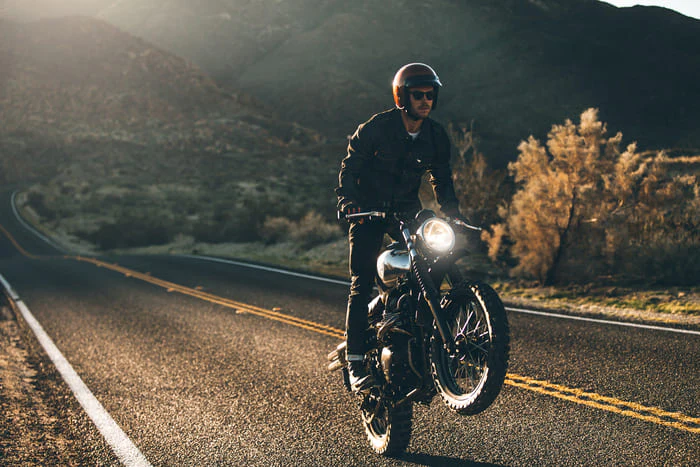
The world of bikes and motors blends engineering brilliance with raw emotion. From daily commuting to long-distance touring and high-speed performance, motorcycles continue to evolve while keeping their core appeal intact—freedom, efficiency, and control. This article explores the fundamentals, types, technologies, and future trends shaping modern bikes and motors.
Understanding Bikes and Motors
At its core, a motorcycle is a two-wheeled motorized vehicle powered by an internal combustion engine or an electric motor. The synergy between the engine, transmission, and chassis determines how a bike performs, handles, and feels on the road.
Key Components That Define Performance
-
Engine/Motor – Generates power; measured in cc (combustion) or kW (electric)
-
Transmission – Transfers power to the rear wheel
-
Frame & Suspension – Provides stability, comfort, and handling
-
Braking System – Disc brakes, ABS, and traction control enhance safety
Types of Bikes Based on Usage
Different riding needs have given rise to specialized motorcycle categories, each optimized for a distinct purpose.
1. Commuter Bikes
Designed for daily use, these bikes prioritize fuel efficiency, comfort, and reliability.
-
Lightweight construction
-
Upright riding posture
-
Low maintenance costs
2. Sports Bikes
Built for speed and precision, sports bikes deliver high performance and aggressive styling.
-
Aerodynamic fairings
-
High-revving engines
-
Advanced braking and suspension
3. Cruiser Bikes
Cruisers emphasize relaxed riding and torque-rich engines.
-
Low seat height
-
Forward-set foot pegs
-
Ideal for long highway rides
4. Adventure & Touring Bikes
Made for distance and diverse terrains.
-
Large fuel tanks
-
Upright ergonomics
-
Advanced navigation and luggage options
5. Electric Motorcycles
The newest evolution in bike motors, offering silent operation and instant torque.
-
Zero tailpipe emissions
-
Lower running costs
-
Rapidly improving range and charging speed
Engine Technologies in Modern Bikes
Motorcycle engines have seen significant innovation over the years, improving both performance and efficiency.
Common Engine Configurations
-
Single-cylinder – Simple, lightweight, fuel-efficient
-
Parallel-twin – Balanced performance and smoothness
-
V-twin – Strong low-end torque and distinctive sound
-
Inline-four – High power output and refined performance
Advancements in Motor Technology
-
Fuel injection replacing carburetors
-
Ride-by-wire throttle systems
-
Variable valve timing
-
Regenerative braking in electric bikes
Safety Features and Riding Assistance
Modern bikes are no longer just about speed; rider safety plays a central role.
Notable safety technologies include:
-
Anti-lock Braking System (ABS)
-
Traction Control System (TCS)
-
Cornering stability control
-
Multiple riding modes (Rain, Sport, Eco)
Maintenance Essentials for Long-Term Performance
Regular maintenance keeps bike motors efficient and reliable.
Basic upkeep checklist:
-
Engine oil and filter changes
-
Chain lubrication and adjustment
-
Brake pad inspection
-
Tire pressure and tread monitoring
-
Battery health checks
The Future of Bikes and Motors
The motorcycle industry is heading toward a tech-driven and eco-conscious future. Electric powertrains, connected dashboards, AI-assisted safety systems, and sustainable materials are redefining what riders can expect from bikes.
Urban mobility demands, stricter emission norms, and rising fuel costs are accelerating innovation, making motorcycles smarter and more efficient than ever before.
FAQs About Bikes & Motors
1. What is the difference between a bike engine and an electric motor?
A bike engine burns fuel to generate power, while an electric motor uses stored electrical energy to drive the wheels.
2. Are electric motorcycles suitable for long-distance travel?
Modern electric bikes are improving in range, but charging infrastructure and battery capacity still limit very long trips.
3. How often should a motorcycle be serviced?
Most bikes require basic servicing every 3,000–6,000 km, depending on usage and manufacturer recommendations.
4. Which type of bike is best for beginners?
Commuter or small-displacement bikes are ideal for beginners due to manageable power and easy handling.
5. Do higher engine cc bikes always mean better performance?
Not necessarily. Performance depends on power-to-weight ratio, tuning, and rider skill—not just engine size.
6. What safety gear is essential for motorcycle riding?
A certified helmet, gloves, riding jacket, pants, and boots are essential for protection.
7. How does ABS improve motorcycle safety?
ABS prevents wheel lock-up during hard braking, allowing better control and reduced stopping distances.

Comments are closed.