

Introduction
Car repairs, often regarded as necessary disruptions, are in fact opportunities to renew trust and performance within the intricate partnership between driver and machine. In an era of accelerating automotive technology and heightened driver expectations, the practice of car repair has blossomed into a space where mechanical expertise, diagnostic intellect, and thoughtful guidance converge. This article unveils the evolving artistry of car repairs—shedding light on the sophistication, care, and insight that define the journey from breakdown to revitalization.
The Philosophy of Modern Car Repairs
From Quick Fixes to Lasting Solutions
-
Contemporary car repairs focus on sustainable solutions rather than expedient patches.
-
True craftsmanship lies in diagnosing core issues, addressing root causes, and providing transparent recommendations for lasting reliability.
-
A modern repair shop functions as more than a garage—it serves as a consultancy, guiding drivers with nuanced attention to both vehicle and owner.
The Human Element
-
Clear communication transforms uncertainty into understanding.
-
Empathetic consultation ensures recommendations are tailored not only to the car’s needs but to the owner’s priorities and circumstances.
The Anatomy of a Worthy Repair Experience
1. Meticulous Diagnosis
-
Visual Inspection: Identifies visible flaws, leaks, or wear.
-
Digital Diagnostics: Advanced vehicles relay codes and sensor data, enabling pinpoint analysis.
-
Listening to the Customer: Driver accounts of noises, sensations, or recent events are pivotal to accurate troubleshooting.
-
Road Testing: Experienced technicians feel and hear what machines sometimes cannot report.
2. Informed Recommendation & Planning
-
Clear distinctions are made between urgent repairs, proactive maintenance, and wish-list upgrades.
-
Consultations illustrate the benefits and potential pitfalls of using genuine, aftermarket, or remanufactured parts.
3. Precision Repair Execution
-
Repairs adhere to manufacturer specifications and best practices, using the right tools for the job.
-
The replacement of worn components follows protocols that minimize disruption to interconnected systems.
-
Technicians document each step, providing a transparent history for future reference.
4. Quality Assurance & Testing
-
Completed repairs undergo rigorous safety checks, diagnostic re-scans, and often a final road test.
-
Customers receive clear briefings on the work performed, as well as recommended steps for ongoing care.
The Essential Domains of Car Repairs
Engine & Powertrain
-
Repairs encompass timing belts, sensors, gaskets, cooling systems, and software updates.
-
Routine attention prevents catastrophic outcomes, like engine failure or emissions non-compliance.
Braking & Safety Systems
-
Replacement of pads, rotors, fluid, and sensor calibration ensures reliable stopping under all conditions.
-
Electronic safety features—advanced ABS, traction control, stability systems—require both mechanical and digital servicing.
Suspension & Steering
-
Shock absorbers, bushings, control arms, and alignments preserve comfort, tire longevity, and road handling.
-
Noise or wandering should never be ignored; they often foreshadow greater issues.
Electrical & Climate Systems
-
Batteries, alternators, fuses, and lighting form the backbone of reliability in all weather and times of day.
-
Modern climate controls—compressors, fans, actuators—are complex and must be finely tuned for lasting comfort.
Infotainment & Connectivity
-
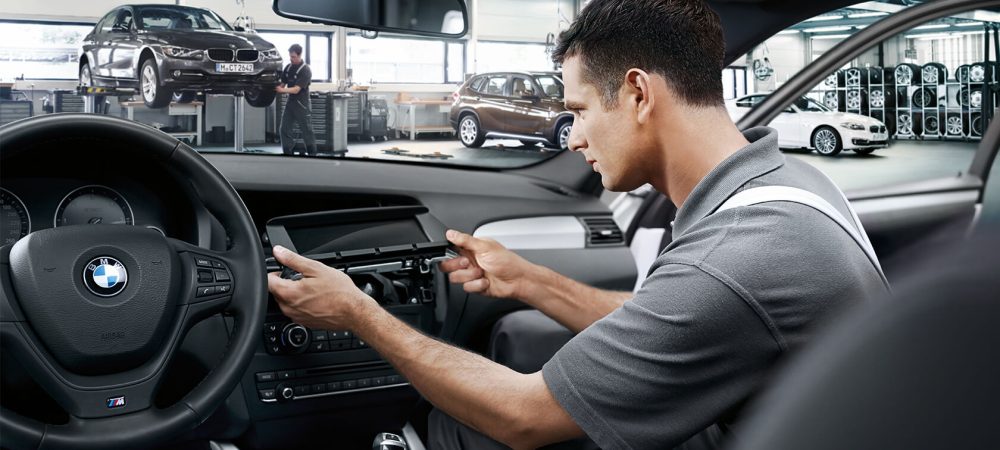
Touchscreens, cameras, GPS modules, and sensors demand both software and hardware expertise to diagnose and repair.
Table: Comparing Types of Replacement Parts
| Part Type | Quality Assurance | Cost Implications | Ideal Application |
|---|---|---|---|
| Genuine (OEM) | Exact fit, top quality | Premium | Safety systems, new vehicles |
| Aftermarket | Varies by brand | Usually more affordable | Older vehicles, customization |
| Remanufactured | Thoroughly tested | Cost-effective, green | Major assemblies, eco-minded |
Advancements Reshaping the Repair Landscape
Integrated Diagnostics
-
Vehicles now communicate health data, allowing repairs to be timed before a malfunction even occurs.
Electrification and Hybrids
-
High-voltage systems, regenerative braking, and battery management require specialized training and safety protocols.
Software Updates
-
Repairs increasingly involve recalibrating systems, reflashing modules, and restoring problem-free operation through digital means.
Remote Services & Mobile Repairs
-
Some common repairs or inspections can be performed at home or place of work, minimizing downtime and disruption.
Proactive Maintenance: The Cure Before the Break
-
Regular Oil Changes: The cheapest insurance for longevity.
-
Brake and Tire Inspections: Vital for safety and performance.
-
Battery & Coolant Checks: Avert inconvenient breakdowns.
-
Fluids & Filters: Clean systems run smoother and last longer.
The Owner’s Role: Partnering in Accountability
-
Keep Records: Document every service, repair, and part replacement—a gift for your future self (and resale potential).
-
Voice Concerns Early: Don’t ignore subtle changes; small signs often signal addressable issues.
-
Ask Questions: A reputable repair shop welcomes curiosity and transparency.
The Green Imperative: Car Repairs as Sustainability
-
Repair extends the lifecycle of vehicles and major components.
-
Choosing remanufactured parts, recycling old materials, and maintaining efficient engines is an act of environmental stewardship.
Conclusion
The refined practice of car repairs is not merely about restoration—it is about safeguarding journeys and honoring the trust between driver and machine. As vehicles grow in complexity, the craft of repair stands as a beacon of discipline, insight, and integrity. By embracing both technological progress and the timeless values of communication, precision, and partnership, car repairs are redefined—not as fixes, but as ongoing acts of renewal ensuring every mile ahead is traveled in safety and confidence.

Comments are closed.