

For manufacturers, the journey of a product does not end when it rolls off the assembly line and passes final quality control. The ultimate test of operational success lies in the supply chain—specifically, the physical movement of goods from the warehouse floor to the end customer or distribution center. Relying on the open freight market to execute this final, critical step often introduces a level of unpredictability that can undermine months of careful production planning. Standard common carriers operate on volume and consolidation, treating every pallet merely as interchangeable cargo.
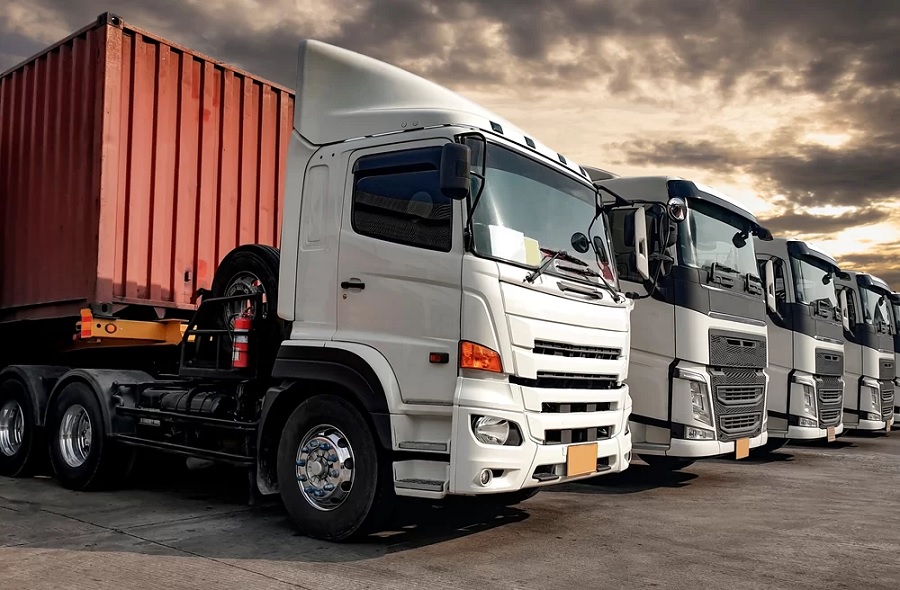
To gain absolute control over their supply chains, forward-thinking manufacturers are increasingly partnering with dedicated transportation services. A dedicated fleet model provides a manufacturer with an exclusive allocation of trucks, trailers, and professional drivers, completely bypassing the shared freight network. This strategic logistics approach effectively functions as a private fleet but operates without the immense capital expenditure and regulatory burdens of owning one. By securing dedicated transportation, manufacturers unlock a host of operational, financial, and customer service benefits that traditional shipping models simply cannot match.
Escaping the Volatility of the Open Freight Market
The traditional spot market and general freight networks are highly susceptible to external economic pressures. Severe weather events, regional driver shortages, seasonal retail spikes, and global supply chain disruptions can instantly wipe out available trucking capacity. When demand for trucks outpaces supply, manufacturers relying on the spot market are forced to pay exorbitant premium rates just to secure a trailer, or worse, they must endure delays because no trucks are available in their region.
Dedicated transportation thoroughly shields manufacturers from this turbulent environment. By locking in a dedicated contract, a manufacturer secures guaranteed capacity regardless of broader market conditions. Whether it is the frantic holiday shipping season or a sudden regional capacity crunch, the manufacturer’s freight keeps moving. This insulation from market volatility allows logistics managers to focus on optimizing their supply chains rather than spending their days scrambling to find a truck and negotiating wildly fluctuating spot rates.
Uncompromising Reliability and Delivery Precision
In the modern manufacturing landscape, raw materials and finished goods are expected to move with clockwork precision. The margin for error regarding delivery windows has never been smaller, particularly for manufacturers feeding into larger industrial networks or massive retail distribution centers with strict appointment times.
Supporting the Just-In-Time Paradigm
Many industrial sectors operate heavily on Just-In-Time (JIT) manufacturing principles. This inventory strategy aligns raw material orders directly with production schedules to minimize warehousing costs. However, JIT is incredibly fragile; it requires absolute reliability from transportation providers. If a common carrier misses a delivery window by even a few hours, it can literally halt a production line, costing a facility thousands of dollars per minute in idle labor and delayed output.
Dedicated transportation thrives in these high-stakes environments. Because the trucks are not navigating complex routing schedules to pick up and drop off freight for other companies, they operate on a direct, streamlined path. Dedicated drivers learn the exact traffic patterns, dock procedures, and timing requirements of the manufacturer’s facilities, ensuring that critical components and finished products arrive precisely when they are needed.
Drastically Reducing Freight Damage and Loss
Every time a pallet is lifted by a forklift, transferred across a warehouse floor, and loaded onto a new trailer, the statistical probability of product damage increases. The standard Less-Than-Truckload (LTL) shipping model is inherently risky for fragile or high-value manufactured goods because it relies on a hub-and-spoke network. In an LTL network, freight is picked up, driven to a central terminal, unloaded, sorted, and reloaded onto different trucks multiple times before it reaches its final destination.
Dedicated transportation eliminates this excessive handling. A dedicated truck backs into the manufacturer’s loading dock, the freight is securely loaded and blocked, and the trailer doors are sealed. Those doors do not open again until the truck arrives at the final receiver’s dock. This direct point A to point B transit model practically eradicates transit damage and cargo loss. For manufacturers producing sensitive electronics, precision-machined aerospace parts, or fragile consumer goods, minimizing touches is the single most effective way to protect the integrity of the product and avoid costly freight claims.
Elevating Brand Representation and Customer Service
It is easy to forget that the truck driver who delivers the freight is often the only physical, face-to-face interaction a customer has with a manufacturing brand. When utilizing random carriers from a brokerage board, a manufacturer has zero control over the professionalism, attitude, or appearance of the driver pulling up to their customer’s facility. An unprofessional driver who is late, frustrated, or careless immediately tarnishes the manufacturer’s hard-earned reputation.
A dedicated transportation model solves this by utilizing a consistent pool of assigned drivers. These professionals become intimately familiar with the manufacturer’s product lines, handling requirements, and customer base. Over time, dedicated drivers build actual rapport with the receiving managers at the destination docks. They learn the specific delivery quirks of each location—such as which gate to use, where to stage the truck, and how the receiver prefers the pallets oriented. This elevated, white-glove level of service turns the transportation arm of the business into a powerful tool for customer retention.
Establishing Predictable Financial Forecasting
For Chief Financial Officers and supply chain directors, unpredictable shipping costs are a major source of budgetary friction. In a traditional freight model, a sudden spike in diesel prices or a regional capacity shortage can destroy a quarter’s transportation budget. It makes pricing finished goods incredibly difficult when the cost to move them fluctuates weekly.
Dedicated transportation stabilizes the balance sheet by providing highly predictable, fixed pricing structures. Contracts are typically negotiated on a long-term basis with clear, transparent costs per mile or per week. While fuel surcharges may still apply, the core cost of the equipment and the driver remains locked in. This financial stability allows manufacturers to forecast their annual logistics spend with pinpoint accuracy, protecting their profit margins and enabling more aggressive, confident pricing strategies in the marketplace.
Gaining Private Fleet Benefits Without the Asset Burden
Historically, manufacturers frustrated by the unreliability of common carriers felt that their only alternative was to purchase their own trucks and hire their own drivers. While a private fleet offers ultimate control, it is a massive financial and administrative burden. Operating a private fleet requires heavy capital expenditure to purchase heavy-duty trucks. It also forces a manufacturing company to become an expert in DOT regulatory compliance, commercial auto insurance liability, preventative fleet maintenance, and the highly competitive arena of driver recruiting and retention.
Partnering with a dedicated logistics provider delivers all the operational benefits of a private fleet without the associated liability. The logistics provider assumes the burden of purchasing the expensive equipment, maintaining the engines, paying the insurance premiums, and managing the drivers. If a truck breaks down, the provider immediately subs in a replacement vehicle, ensuring the manufacturer experiences zero downtime. This allows the manufacturing executive team to divert their capital and their focus back to their core competency: designing and building exceptional products.
Ultimately, the way a manufacturer moves its goods is just as vital as how it makes them. Treating transportation merely as a necessary expense to be shopped out to the lowest bidder introduces fatal vulnerabilities into the supply chain. By embracing dedicated transportation, manufacturers secure guaranteed capacity, flawless handling, and precise delivery schedules. In a highly competitive industrial landscape, upgrading to a dedicated fleet model transforms logistics from a daily operational headache into a distinct, formidable competitive advantage.

Comments are closed.