

Owning a vehicle is a long-term investment, and how well it serves you depends largely on how consistently it’s maintained. Regular upkeep not only preserves performance and safety, but also helps you avoid costly repairs and premature replacements. With the right maintenance habits, you can significantly extend your vehicle’s lifespan while keeping it efficient and reliable year after year.
Why Regular Vehicle Maintenance Matters
Routine maintenance ensures that all systems in your vehicle work in harmony. Ignoring small issues can lead to mechanical failures, reduced fuel efficiency, and lower resale value. A proactive approach saves money, improves driving comfort, and enhances overall road safety.
Engine Care: The Heart of Your Vehicle
The engine is the most critical and expensive component of any vehicle. Keeping it healthy should always be a top priority.
Change Engine Oil on Schedule
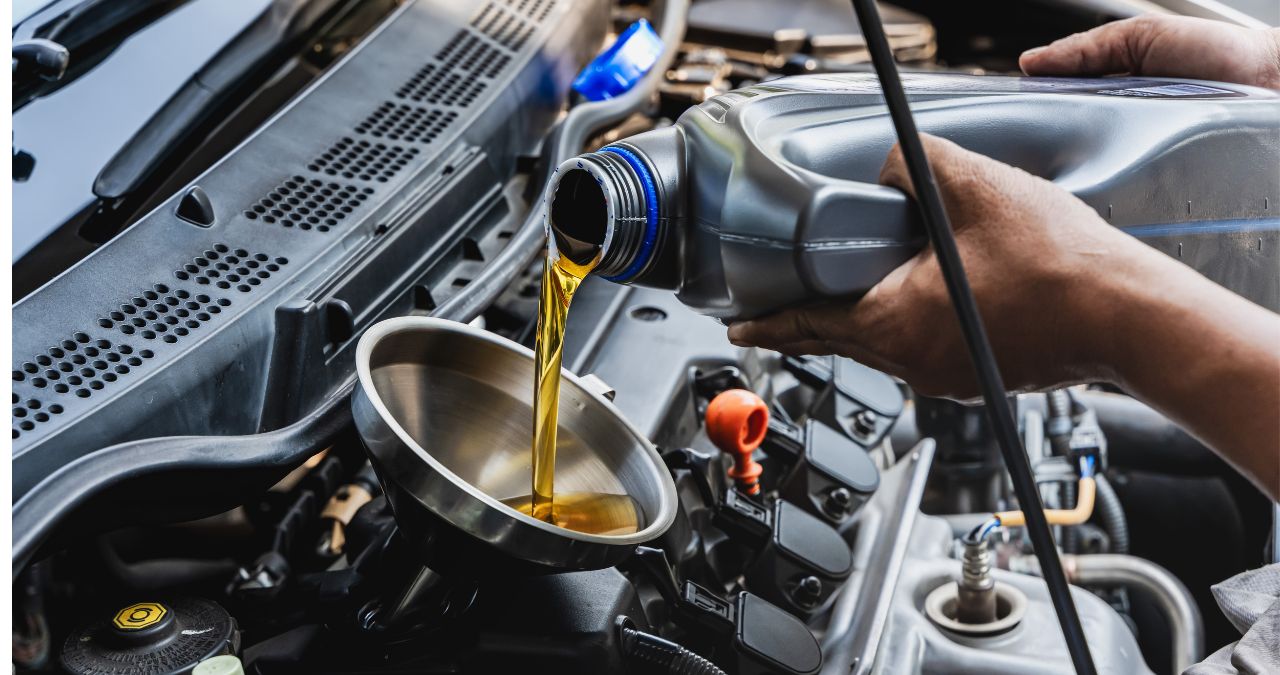
Engine oil lubricates moving parts and prevents excessive wear. Over time, oil degrades and collects contaminants.
-
Follow the manufacturer’s recommended oil change intervals
-
Always use the correct oil grade for your engine
-
Replace the oil filter during each oil change
Monitor Engine Fluids
Besides oil, your engine relies on several fluids to function efficiently.
-
Coolant prevents overheating
-
Transmission fluid ensures smooth gear shifts
-
Brake fluid supports responsive braking
Low or dirty fluids can cause long-term damage if left unchecked.
Tire Maintenance for Safety and Efficiency
Tires directly affect handling, braking, and fuel economy. Poor tire care shortens their lifespan and compromises safety.
Maintain Proper Tire Pressure
Underinflated or overinflated tires wear unevenly and reduce fuel efficiency.
-
Check tire pressure at least once a month
-
Adjust pressure according to the recommended PSI
Rotate and Align Tires Regularly
Rotating tires promotes even tread wear, while proper alignment prevents pulling and uneven degradation.
-
Rotate tires every 5,000–8,000 miles
-
Get wheel alignment checked annually or after hitting potholes
Brake System Inspections Are Non-Negotiable
Your braking system is essential for safety. Gradual wear often goes unnoticed until performance drops significantly.
-
Listen for squeaking or grinding noises
-
Pay attention to vibrations when braking
-
Replace brake pads before they wear down completely
Regular inspections help avoid rotor damage and maintain reliable stopping power.
Battery and Electrical System Care
A weak battery can leave you stranded without warning. Extreme temperatures and short trips often shorten battery life.
Keep the Battery in Good Condition
-
Clean corrosion from battery terminals
-
Ensure connections are tight and secure
-
Test the battery annually after the third year
Replacing a battery before it fails prevents unexpected breakdowns.
Protect the Exterior and Interior
Maintenance isn’t limited to mechanical components. Cosmetic care also plays a role in preserving value.
Wash and Wax the Exterior
Regular washing removes dirt and contaminants that cause rust.
-
Waxing protects paint from UV damage
-
Touch up paint chips early to prevent corrosion
Maintain the Interior
A clean interior improves comfort and resale appeal.
-
Vacuum seats and carpets regularly
-
Use sunshades to protect dashboards from cracking
Follow the Manufacturer’s Maintenance Schedule
Every vehicle is designed with a specific maintenance plan. Ignoring it can void warranties and reduce longevity.
-
Refer to the owner’s manual for service intervals
-
Schedule inspections even if the car feels fine
-
Keep maintenance records for future reference
Drive Smart to Reduce Wear and Tear
Your driving habits directly affect how long your vehicle lasts.
-
Avoid aggressive acceleration and hard braking
-
Let the engine warm up briefly in cold weather
-
Don’t overload the vehicle beyond recommended limits
Smooth, mindful driving reduces stress on major components.
Frequently Asked Questions (FAQs)
How often should I service my vehicle if I drive infrequently?
Even with low mileage, servicing at least once a year is important to replace aging fluids and inspect critical components.
Does skipping minor maintenance really cause major problems?
Yes, small issues like low fluid levels or worn belts can escalate into expensive repairs if ignored.
Is it necessary to use original replacement parts?
While not always mandatory, high-quality or original parts usually last longer and maintain optimal performance.
Can regular maintenance improve fuel efficiency?
Absolutely. Proper tire pressure, clean filters, and fresh oil all contribute to better fuel economy.
How do I know if my vehicle needs immediate attention?
Warning lights, unusual noises, vibrations, or sudden changes in performance are signs that require prompt inspection.
What maintenance tasks can I safely do myself?
Basic tasks like checking tire pressure, fluid levels, and battery terminals can be done at home with minimal tools.
Does vehicle maintenance really increase resale value?
Yes, a well-documented maintenance history reassures buyers and often results in a higher resale price.

Comments are closed.