

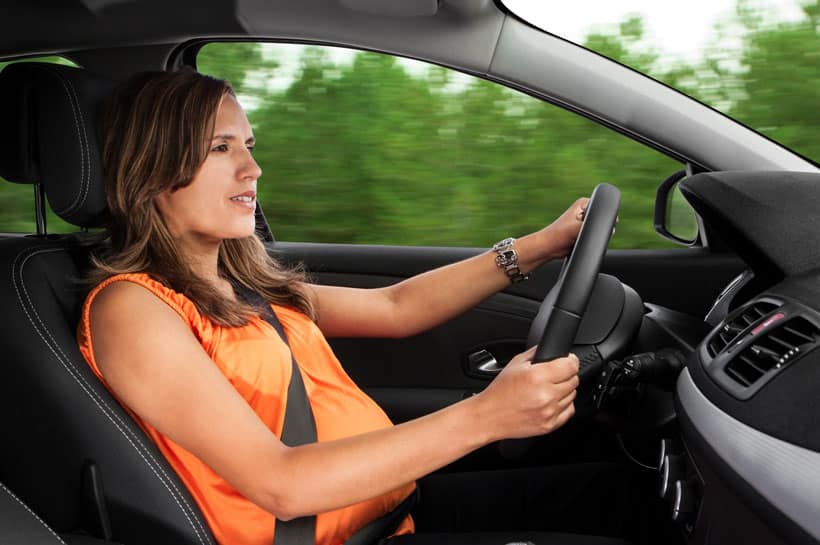
Maintain Proper Vehicle Control at All Times
A confident driver maintains complete control of the vehicle under all conditions. This begins with the correct seating position. Adjust the seat so that your hands rest comfortably on the steering wheel, allowing precise movements without strain. The ideal grip is the “9 and 3” position, which provides stability and control while allowing quick maneuvering when necessary.
Braking technique is equally important. Sudden braking should be avoided unless required in emergencies. Instead, anticipate stops and apply gentle, progressive pressure on the brake pedal to prevent unnecessary wear on the braking system and ensure a smoother experience for passengers.
Adapt to Road and Weather Conditions
Driving safely requires an awareness of changing conditions. Wet or icy roads reduce tire grip, increasing stopping distances. When driving in rain, fog, or snow, reduce speed and maintain greater distance from the vehicle ahead. Headlights should be used appropriately, with low beams in foggy conditions to avoid glare.
Strong winds also pose a challenge, particularly on open highways and bridges. A firm grip on the steering wheel helps maintain stability, while reducing speed minimizes the effect of sudden gusts.
Night driving presents additional risks due to reduced visibility. High beams should be used on dark roads but dimmed when approaching another vehicle to avoid impairing visibility for other drivers. Checking mirrors and blind spots frequently ensures that no hazards go unnoticed.
Observe and Anticipate Surrounding Traffic
Defensive driving is key to avoiding accidents. This means staying aware of surrounding vehicles and anticipating possible actions before they occur. Keeping a safe distance provides time to react to sudden stops or unexpected lane changes.
Using mirrors effectively is another fundamental skill. The rearview and side mirrors should be adjusted before driving to ensure a clear field of vision. Checking mirrors regularly and performing quick shoulder checks before changing lanes minimizes the risk of blind-spot incidents.
Understanding the behavior of other drivers allows for better anticipation of traffic flow. If a vehicle is weaving between lanes or braking erratically, maintaining distance reduces the risk of being caught in a hazardous situation.
Use Signals and Communication Effectively
Clear communication on the road enhances safety. Turn signals should always be used well in advance of lane changes or turns, providing sufficient notice to other drivers. Sudden movements without signaling create confusion and increase the likelihood of collisions.
The brake lights serve as another critical form of communication. Tapping the brakes lightly before coming to a stop signals drivers behind to slow down. Similarly, hazard lights should be activated when stopping unexpectedly on the roadside or when visibility is significantly reduced in adverse conditions.
Eye contact with pedestrians and other drivers at intersections establishes non-verbal communication, reducing misunderstandings in right-of-way situations.
Manage Speed with Precision
Excessive speed increases the severity of accidents and reduces reaction time. Driving within speed limits is essential, but beyond compliance, adjusting speed according to traffic and environmental factors is equally important. In congested areas, a lower speed ensures better control, while on highways, maintaining a steady pace within safe limits promotes fuel efficiency and reduces stress on the engine.
Cruise control can be beneficial on long drives, maintaining a consistent speed and reducing driver fatigue. However, it should be avoided in heavy traffic, on slippery roads, or in winding terrain where manual speed adjustments are necessary.
Avoid Distractions for Maximum Focus
Distractions are among the leading causes of accidents. Mobile phone use, even for hands-free conversations, diverts attention from the road. The safest approach is to avoid phone interaction while driving entirely. If navigation assistance is required, setting the destination before departure prevents unnecessary adjustments while in motion.
Other potential distractions include eating, adjusting in-car entertainment systems, and engaging in extended conversations with passengers. Keeping focus on the road ensures quick responses to unexpected events.
Stay Calm and Manage Road Stress
Patience is an invaluable skill for any driver. Traffic congestion, aggressive drivers, and delays can lead to frustration, but maintaining composure prevents reckless decisions. Breathing techniques and listening to calming music can help reduce stress during long drives.
When faced with aggressive drivers, avoiding engagement is the safest strategy. Yielding or changing lanes to create distance defuses tension and reduces risk. Retaliatory actions escalate danger and should be avoided entirely.
Keep Up with Regular Vehicle Maintenance
A well-maintained vehicle enhances safety and reliability. Routine inspections ensure that brakes, tires, lights, and fluid levels are in optimal condition. Tire pressure should be checked regularly, as incorrect pressure affects handling and fuel efficiency.
Brake responsiveness is essential for safety. If braking feels sluggish or produces unusual noises, professional inspection is necessary. Similarly, windshield wipers should be replaced when streaking occurs, ensuring clear visibility in adverse weather.
Emergency preparedness is also part of responsible vehicle ownership. Carrying a basic toolkit, flashlight, jumper cables, and a spare tire reduces inconvenience in case of a breakdown.
Master Safe Overtaking and Lane Discipline
Changing lanes and overtaking require careful judgment. Before switching lanes, a full check of mirrors and blind spots ensures a safe move. Signals should be activated well in advance, and abrupt lane changes should be avoided.
When overtaking, ensuring adequate space and speed difference is crucial. Returning to the original lane should only occur when the overtaken vehicle is fully visible in the rearview mirror. Attempting to overtake on curves or near intersections introduces unnecessary risk and should be avoided.
Enhance Skills Through Continuous Learning
Driving proficiency improves with experience, but additional training offers valuable insights. Advanced driving courses provide techniques for handling emergency situations, improving reaction times, and optimizing fuel-efficient driving habits.
Regular updates on traffic regulations ensure that drivers remain informed of legal changes and best practices. Remaining receptive to feedback from experienced drivers further refines skills, leading to safer and more confident driving.
A disciplined approach to driving fosters a safer road environment for everyone. By staying attentive, managing speed appropriately, and respecting fellow drivers, every journey becomes a more controlled and enjoyable experience.
